ISC3 Webinar #1
Introducing SSbD and the GFC in the consumer electronics sector
16 April 2026, 14:00 – 15:30 CET

The objective of Webinar 1 is to enhance the understanding of the elements of the GFC and the SSbD framework and illustrate how these elements can be applied in the Consumer Electronics sector.
Resources and information
This session will:
- Briefly present the main GFC and SSbD elements and key concepts;
- Introduce the linkages between the implementation of the GFC and the SSbD framework;
- Share lessons learned from companies with experience in SSbD in the Consumers Electronic Sector, showcasing both successes and challenges.
- Actively link with relevant GFC sector implementation programmes, including the Electronics Sector Implementation Programme (IP), to ensure alignment with sector-specific priorities, promote uptake of the D6 building blocks, and strengthen measurable impact pathways.
Expected Learning Outcomes
- Improved understanding of GFC targets and SSbD principles and their linkages;
- Increased awareness of design-stage strategies to reduce hazardous substances, improve circularity, and prevent regrettable substitutions across the consumer electronics value chains;
- Enhanced capacity to identify enabling policy, investment, and innovation conditions for SSbD in the electronics sector.
Download resources
Coming soon.
Provisional Agenda
| Time (CET) | Session | Speakers |
|
2.00 PM 5 min |
Welcoming and introducing speakers | UNITAR |
| 2.05 PM | Opening remarks and introduction | ISC3, IOMC Secretariat, UNITAR |
|
2.10 PM 15 min |
GFC (Presentation) Key elements. Relevant targets for the purpose of this Series. |
GFC Secretariat |
|
2.25 PM 15 min |
SSbD (Presentation) Key elements. Linkages with GFC implementation and relevant targets. |
IRISS
|
|
2.40 PM 10 min |
Q&A | All |
|
2.50 PM 20 min |
Applying SSbD in Consumer Electronics: From Design Choices to D6 Implementation (Panel) Case Studies of sustainable chemical and waste management strategies to reduce impact/ input along the value chain (identification of chemicals of concern, safer alternatives, substitution, standards, training, chemical footprint, data collection, design choices).Trade-offs. Quantified outcomes. Documented adoption. Direct and tangible impacts/process change. |
|
|
3.10 PM 10 min |
Q&A | All |
|
3.20 PM 10 min |
Interactive Activity Design challenge. For example: “You are redesigning a consumer electronic device. A commonly used flame retardant is effective and cheap but raises concerns for human health and end-of-life recycling. An alternative exists but is more expensive and less tested at scale.” |
All (moderation: UNITAR/ISC3) |
| 3.30 PM | Final remarks | ISC3 and UNITAR |
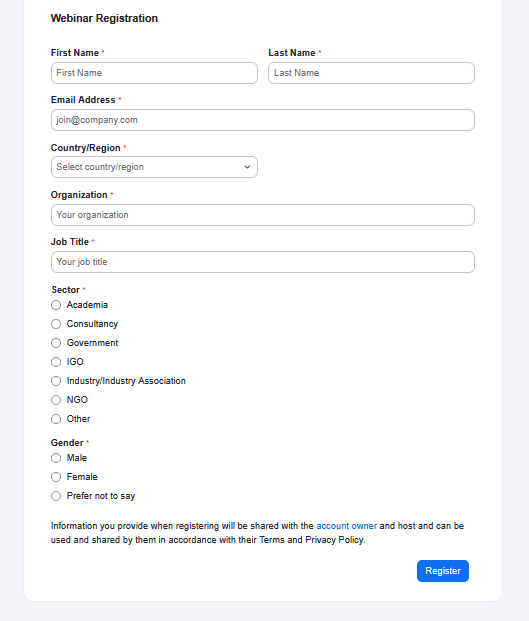
Please use the link below to register for this event.
In case of any queries, feel free to reach out to iomc@unitar.org